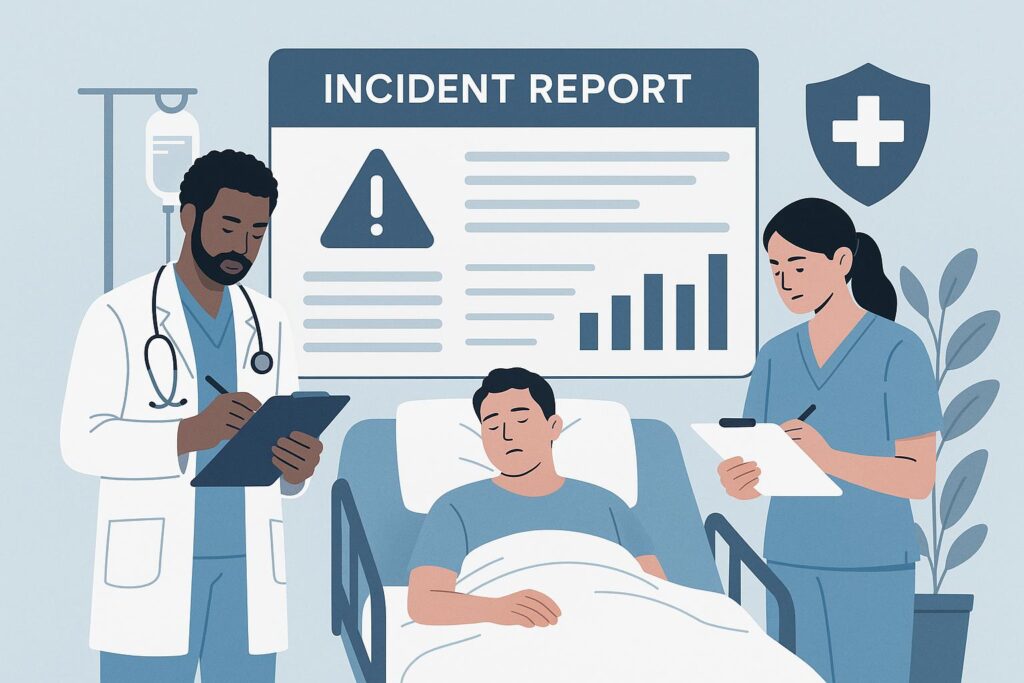
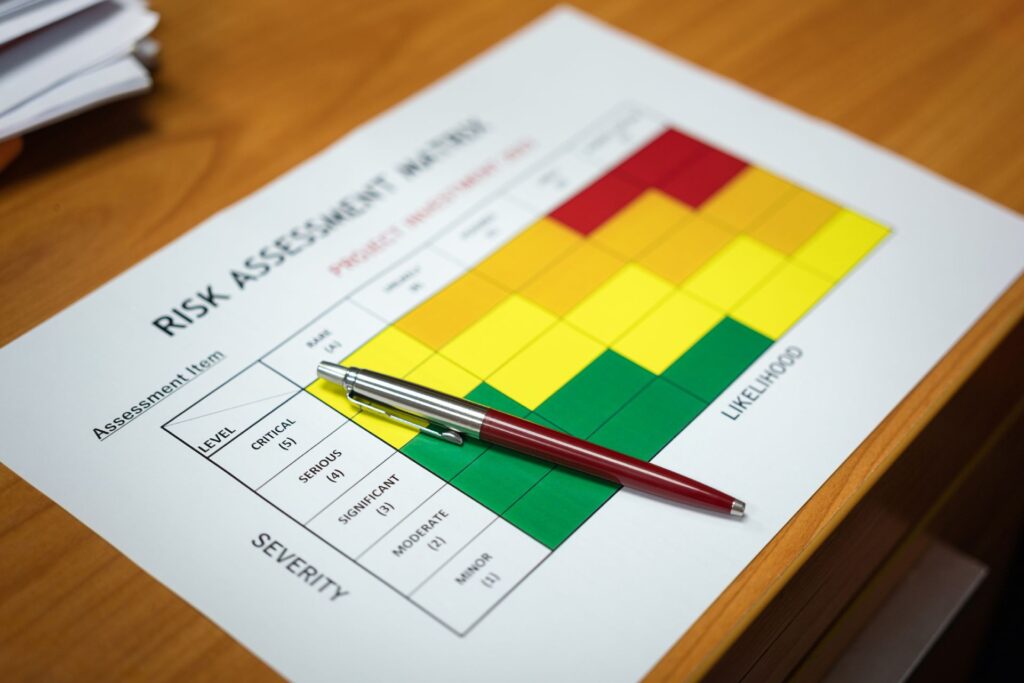
Incident Reporting in Healthcare
Incident reporting is the backbone of modern patient safety systems. Without structured, timely, and transparent reporting, healthcare organizations cannot identify risks, prevent recurring harm, or improve clinical outcomes.
Incident reporting in healthcare goes far beyond documentation. It is the foundation of learning, accountability, and system-wide improvement.
From near misses and medication errors to laboratory incidents and care home reporting requirements, healthcare institutions face increasing complexity in how incidents are captured, categorized, analyzed, and acted upon.
Yet many organizations still struggle with:
• Under-reporting of safety events
• Paper-based or fragmented digital systems
• Inconsistent categorization
• Delayed root cause analysis
• Limited feedback loops
• Compliance pressures
The goal of incident reporting is not blame. It is prevention.
A high-functioning incident reporting system enables healthcare leaders to:
• Detect patterns early
• Understand contributing factors
• Strengthen safety culture
• Improve regulatory compliance
• Reduce patient harm
• Protect healthcare workers
As digital transformation accelerates, incident reporting is evolving from static documentation into intelligent safety intelligence systems powered by automation, analytics, and artificial intelligence.
In this section, you will explore:
• How incident reporting systems should be designed
• Common failures in healthcare reporting processes
• Near miss reporting strategies
• Anonymous reporting mechanisms
• Regulatory reporting requirements
• Digital transformation approaches
• The role of AI in modern incident management
If patient safety is the mission, incident reporting is the engine.
This category provides the insights, strategies, and practical guidance healthcare leaders need to build transparent, proactive, and learning-driven safety systems.