Proactive Risk Assessment Methods You Should Know
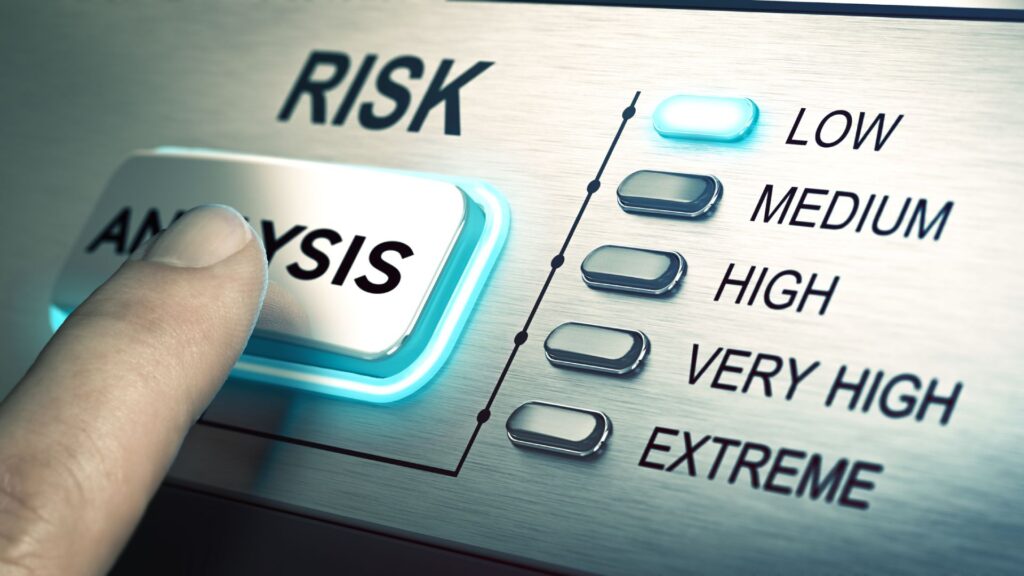
What is Proactive Risk Assessment? Proactive risk assessment (PRA) is a systematic approach to identifying, analyzing, and mitigating potential hazards […]

Patient safety is not a department. It is a culture.
Every healthcare interaction carries inherent risk. From medication administration and diagnosis to patient identification and transitions of care, clinical environments are complex systems where small breakdowns can lead to significant harm.
Patient safety and clinical risk management focus on anticipating, identifying, and mitigating these risks before they result in adverse events.
Key areas of patient safety include:
• Medication safety
• Fall prevention
• Pressure injury prevention
• Diagnostic accuracy
• Patient identification
• High-risk clinical situations
• Healthcare worker safety
• Safety culture measurement
Effective clinical risk management requires more than reactive investigations. It demands proactive assessment, structured tools, strong leadership, and continuous improvement.
Healthcare organizations that excel in patient safety typically demonstrate:
• Strong reporting culture
• Data-driven decision making
• Clear risk prioritization frameworks
• Root cause analysis capabilities
• Engagement of frontline staff
• Patient involvement in safety efforts
Clinical risk management bridges strategy and practice. It connects executive vision with frontline reality.
In this section, you will find:
• Evidence-based safety practices
• Risk assessment methodologies
• Lessons from safety failures
• Practical prevention strategies
• Insights into improving safety culture
• Tools for quality improvement
Patient safety is not about eliminating all risk. It is about reducing preventable harm and building resilient systems that learn continuously.
For healthcare organizations committed to excellence, clinical risk management is not optional. It is foundational.
What is Proactive Risk Assessment? Proactive risk assessment (PRA) is a systematic approach to identifying, analyzing, and mitigating potential hazards […]

A Serious Occupational Hazard Needlestick and sharps injury (NSI) is a serious occupational hazard and health concern. Healthcare workers (HCWs)
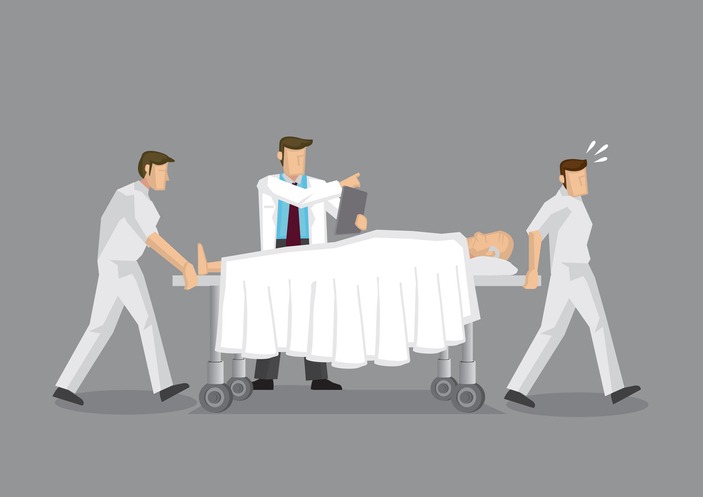
In this blog, we will discuss how patient safety is compromised in transitions of care and what strategies must be

Medication error – A leading cause of avoidable harm Unsafe medication practices and medication errors are one of the leading
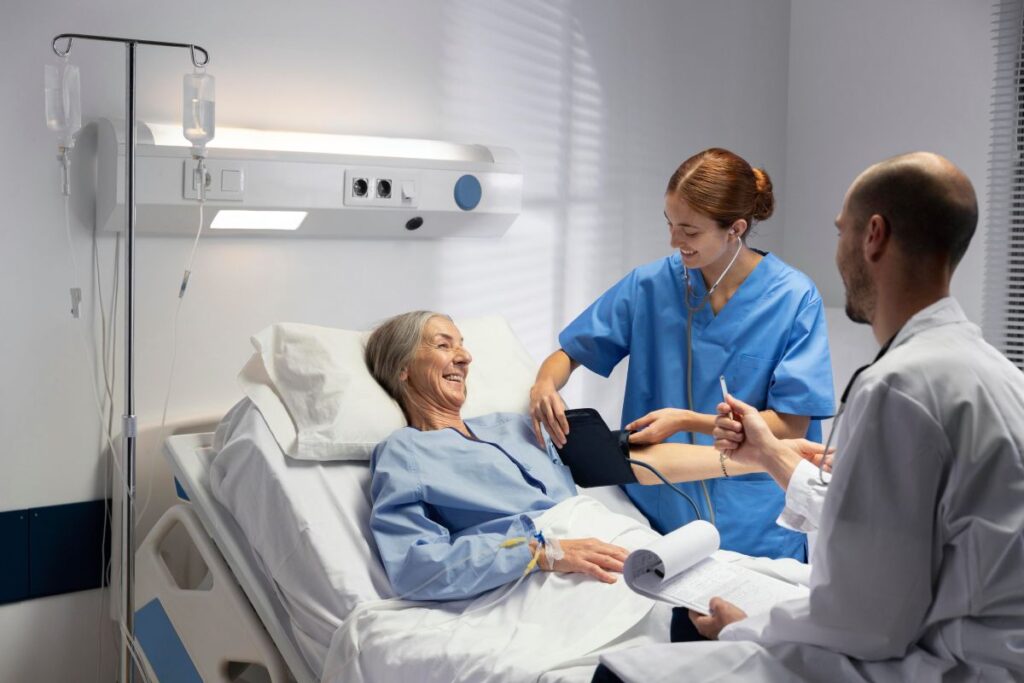
Engaging Patients for Patient Safety The theme for World Patient Safety Day 2023 is a recognition of the crucial roles

Falls in hospitals and nursing homes Falls are a prevalent safety concern and a leading cause of injuries involving patients

Overview Correctly identifying patients and matching patients to their intended treatment is fundamental to safe care. Patient identification is such
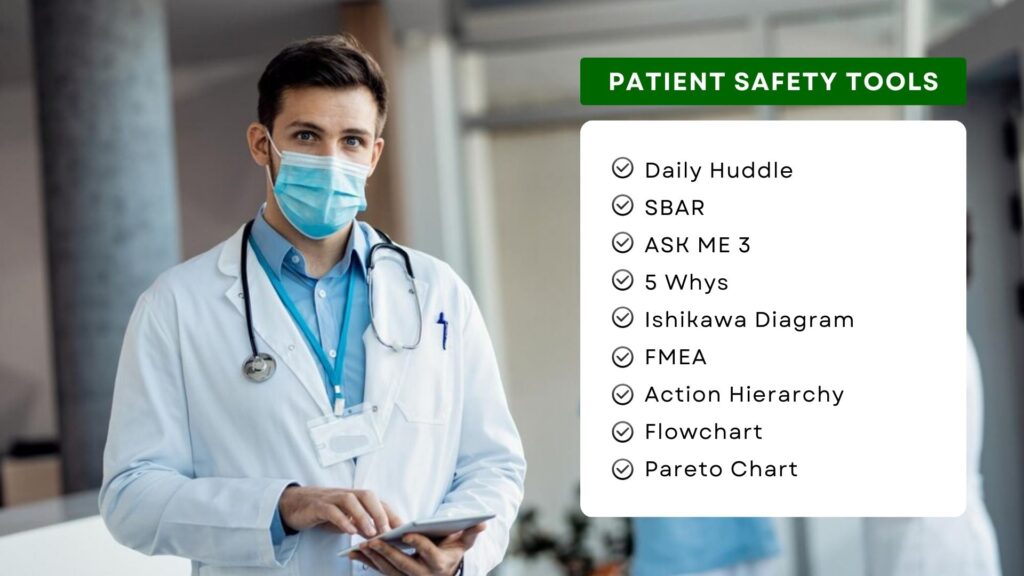
Introduction Simple and easy-to-use tools can bring surprising insights and results. Most healthcare professionals, especially safety and quality officers, are
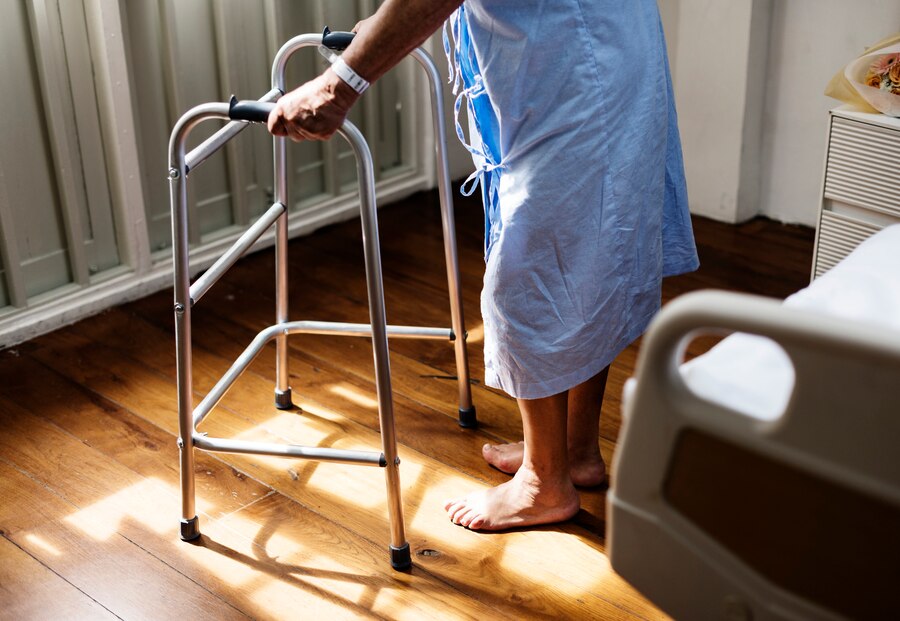
Falls are a Growing Problem Falls occur at all ages but are common among older people. According to some studies,
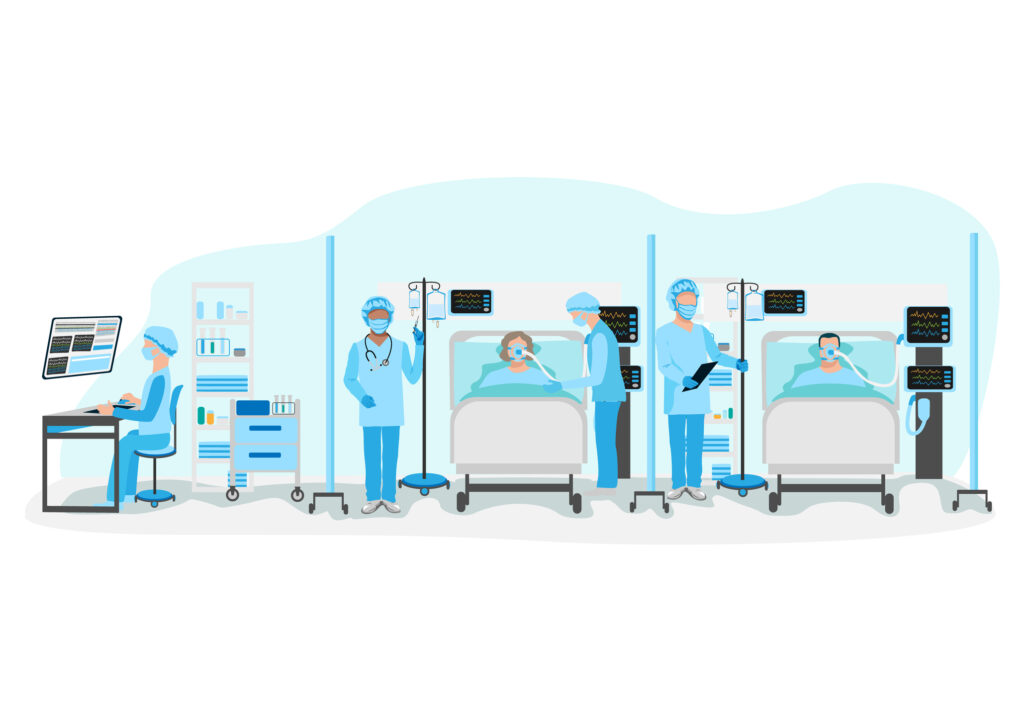
In this blog post, we are sharing the key messages on the burden of unsafe care taken from the Global
Is your RCA Process Effective? Root Cause Analysis (RCA) is a systematic and robust investigation process to identify the underlying causes

In our previous blog, we discussed high-risk situations arising from look-alike, sound-alike (LASA) medications and high-alert medications which can cause significant medication