
Strategies to Reduce Medication Errors in High-risk Situations
In our previous blog Medication Safety – A Priority in Patient Safety, we briefly touched on the three priority areas where […]

Patient safety is not a department. It is a culture.
Every healthcare interaction carries inherent risk. From medication administration and diagnosis to patient identification and transitions of care, clinical environments are complex systems where small breakdowns can lead to significant harm.
Patient safety and clinical risk management focus on anticipating, identifying, and mitigating these risks before they result in adverse events.
Key areas of patient safety include:
• Medication safety
• Fall prevention
• Pressure injury prevention
• Diagnostic accuracy
• Patient identification
• High-risk clinical situations
• Healthcare worker safety
• Safety culture measurement
Effective clinical risk management requires more than reactive investigations. It demands proactive assessment, structured tools, strong leadership, and continuous improvement.
Healthcare organizations that excel in patient safety typically demonstrate:
• Strong reporting culture
• Data-driven decision making
• Clear risk prioritization frameworks
• Root cause analysis capabilities
• Engagement of frontline staff
• Patient involvement in safety efforts
Clinical risk management bridges strategy and practice. It connects executive vision with frontline reality.
In this section, you will find:
• Evidence-based safety practices
• Risk assessment methodologies
• Lessons from safety failures
• Practical prevention strategies
• Insights into improving safety culture
• Tools for quality improvement
Patient safety is not about eliminating all risk. It is about reducing preventable harm and building resilient systems that learn continuously.
For healthcare organizations committed to excellence, clinical risk management is not optional. It is foundational.
In our previous blog Medication Safety – A Priority in Patient Safety, we briefly touched on the three priority areas where […]
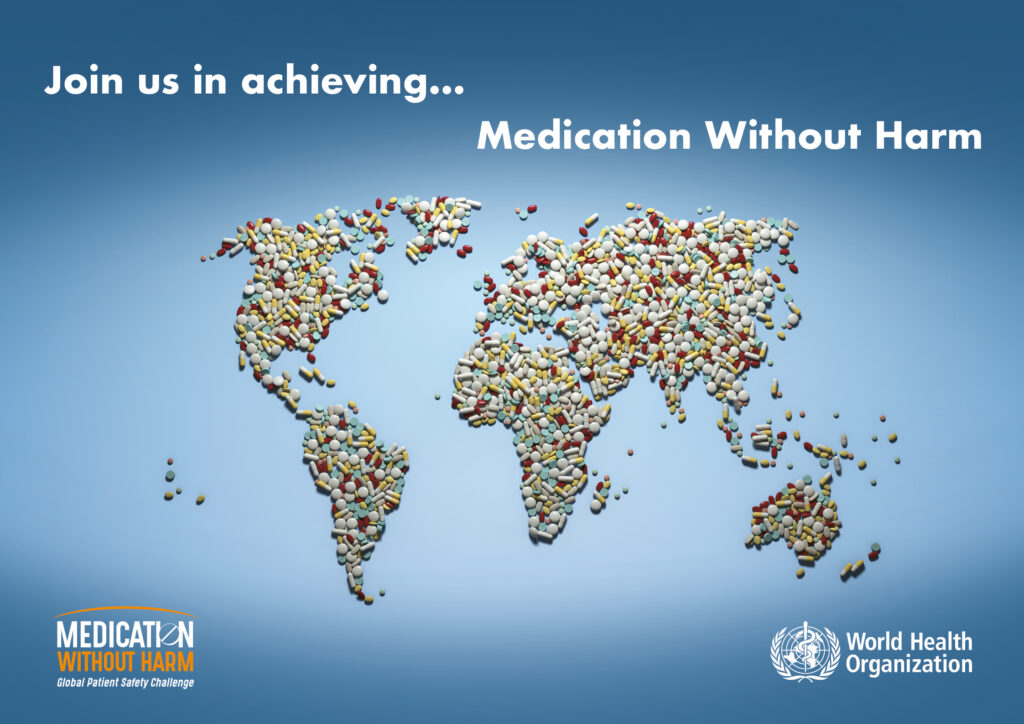
Are medication errors one of the most frequently reported incident types in your hospital? What can be done to prevent

Amy had been a staff nurse in the same hospital for 30 years. Her shift starts with making rounds in