
Challenges in Senior Care and the Role of Incident Reporting
Introduction Senior care facilities play a crucial role in caring for the elderly, but face unique quality and safety challenges. […]

Introduction Senior care facilities play a crucial role in caring for the elderly, but face unique quality and safety challenges. […]

Patient safety hinges on accurate patient identification. Misidentification is a persistent and serious concern that can trigger a cascade of
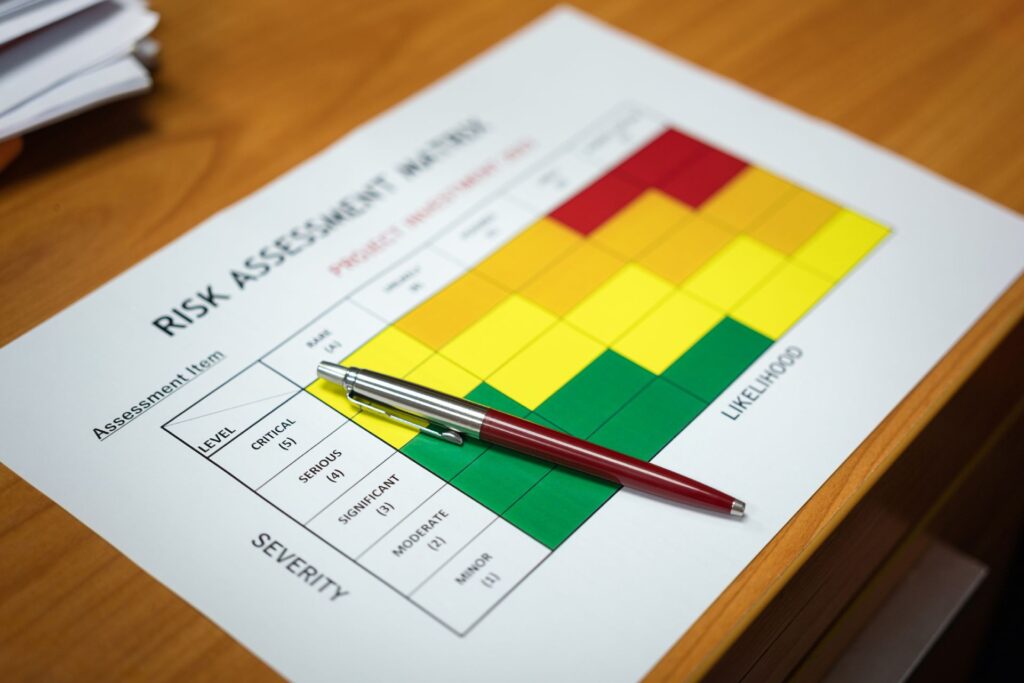
The Severity Assessment Code (SAC) Matrix is a risk assessment tool widely used in healthcare to evaluate and categorize the

The new Aged Care Act in Australia introduces new challenges for NDIS providers who offer aged care services or having

The new Aged Care Act, set to take effect on July 1, 2025, introduces sweeping reforms designed to enhance the

The advent of artificial intelligence (AI) holds tremendous potential to transform the healthcare industry. Healthcare organizations are increasingly adopting AI
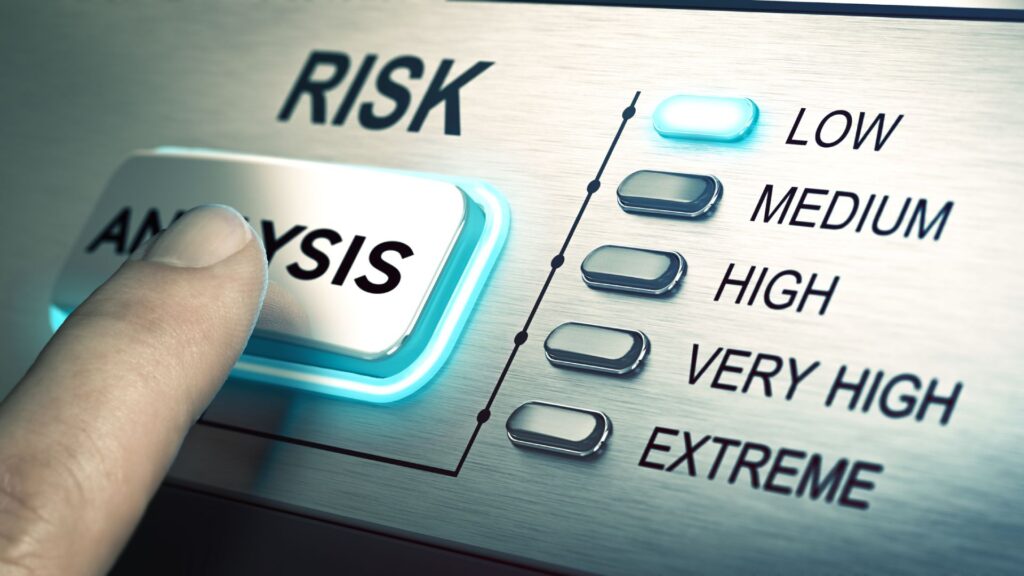
What is Proactive Risk Assessment? Proactive risk assessment (PRA) is a systematic approach to identifying, analyzing, and mitigating potential hazards

Introduction The World Health Organization (WHO) has chosen Engaging patients for patient safety as the theme for World Patient Safety Day 2023.

A Serious Occupational Hazard Needlestick and sharps injury (NSI) is a serious occupational hazard and health concern. Healthcare workers (HCWs)

Active participation is an essential ingredient of all successful systems. Incident or Risk management is no exception to this. In
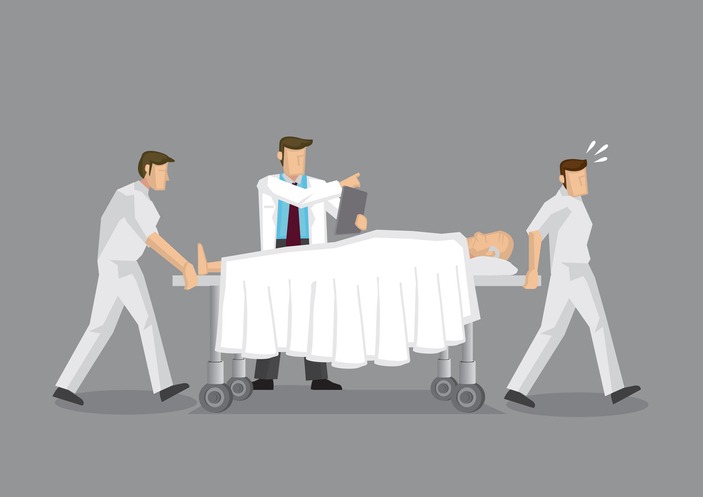
In this blog, we will discuss how patient safety is compromised in transitions of care and what strategies must be

A Hazardous Workplace Healthcare workers are at higher risk for workplace injury and illness compared to those working in construction,